
Services
Types of Paints and Painting DESIGN
Painting is an excellent way to revitalize and enhance the appearance of your home, but choosing the right type of paint is crucial for achieving the desired results. Two primary categories dominate the paint market: water-based and oil-based paints. Each type offers unique characteristics, applications, and considerations. Understanding the differences between them can help you make an informed decision for your next painting project.
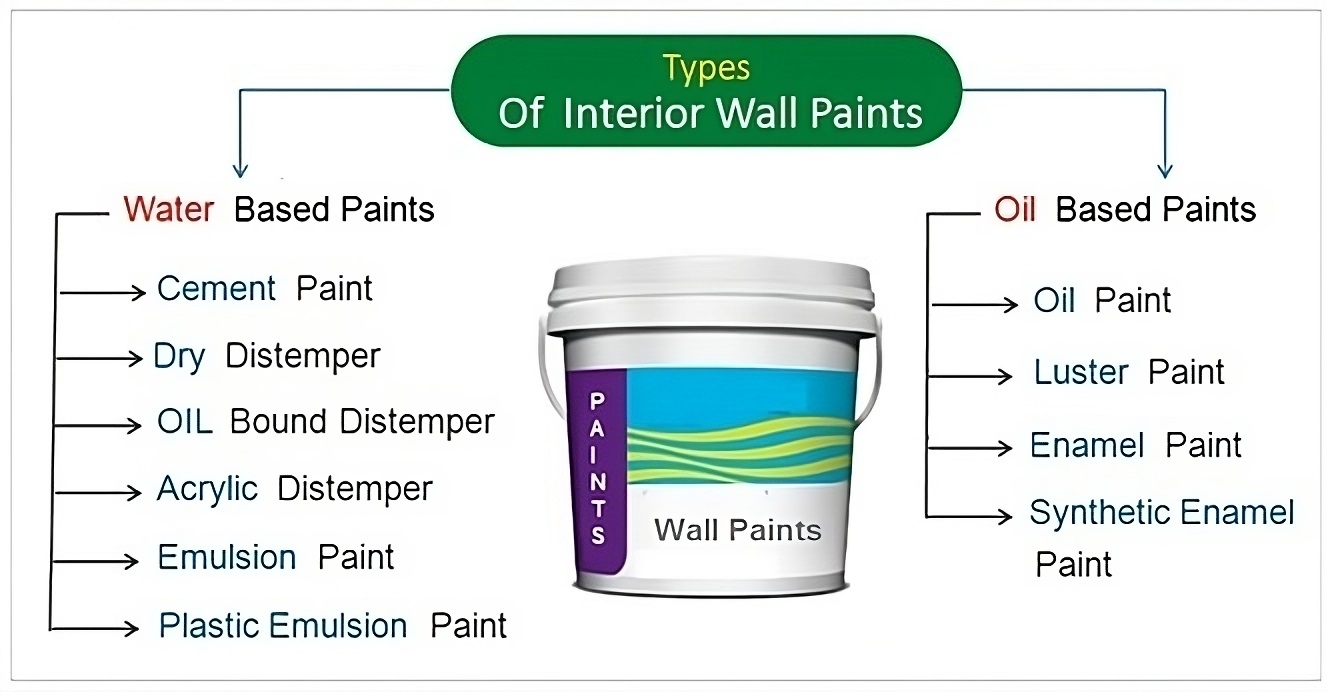
Whether you choose water-based or oil-based paints, both have their own set of advantages and are suited for different applications. The choice ultimately depends on the specific needs of your project, the surface you're painting, and your personal preferences.
Make an informed decision by considering the characteristics and requirements of your project. If you're still uncertain, consulting with a paint professional or expert can help you choose the most suitable option for your painting endeavor.
Water-Based Paints:
Water-based paints, also known as latex or acrylic paints, are made with water-soluble solvents. They are increasingly popular for various reasons:Ease of Use:Water-based paints dry faster and emit fewer odors, making them more convenient for indoor use. They clean up easily with water, reducing the need for harsh chemicals.
Versatility:Suitable for a wide range of surfaces, including walls, ceilings, and trim, water-based paints come in various finishes, from matte to glossy.
Environmentally Friendly:They have lower VOC (Volatile Organic Compound) levels, making them more environmentally friendly and safer for indoor air quality.
Oil-Based Paints:
Oil-based paints, commonly made with linseed oil or alkyd, have been a traditional choice for many years and offer distinct advantages:Durability: They create a hard, durable finish, making them ideal for surfaces that endure heavy wear and tear, such as woodwork or metal.
Excellent Adhesion: Oil-based paints adhere well to almost any surface, providing a smooth and long-lasting coat.
Rich Finish: They typically result in a rich, lustrous finish, especially with high-gloss paints, which can add a classic touch to a room or surface.
Ready to start your project? Consider these differences between water-based and oil-based paints and choose the one that best aligns with your needs and preferences.
Find your perfect paint at Aashaar, where our experts can guide you in selecting the ideal paint for your project.
Interior And Exterior Painting Service
One should take into consideration a number of aspects, including surface texture, target finish, reliability, and personal preference, when selecting the best paint product along with the application technique for your walls.
Typical paint varieties and techniques of application include:
Latex or acrylic paint: One of the most preferred options for interior walls is latex or acrylic paint. It is readily washed with water, quickly dries, and has a mild odour.
Oil-based paints: They are frequently employed on surfaces that undergo significant amounts of traffic or that need to be sturdy, like cabinets in the kitchen or walls.
Primer: Before painting walls, a primer must be employed, especially if the surface is porous, ruined, or recently constructed. It creates a consistent finish, seals the surface, and boosts paint adherence.
Paint texture: The appearance of stucco or sand texture can be achieved on walls with texture paint. Chalkboard paint is a fun and practical solution, particularly for the walls of kitchens and kid's rooms. offers a boarding-like user interface.
Roller Painting: The most popular technique for painting walls is roll painting. Apply paint in broad strokes with a roller brush that has a long handle to efficiently paint huge areas.
Brush painting: A roller can't reach small areas, edges, or corners, consequently brush painting is an excellent option. You'll require a top-notch brush with bristles that are appropriate for what kind of paint that you're using.
Spray painting: spray painting is an efficient way to quickly paint large areas. It produces a smooth, even finish, but requires proper equipment and ventilation to avoid over spraying and achieve a professional finish.
Cleaning the walls, Patching any flaws, and applying an appropriate primer are crucial steps in adequately preparing them for painting
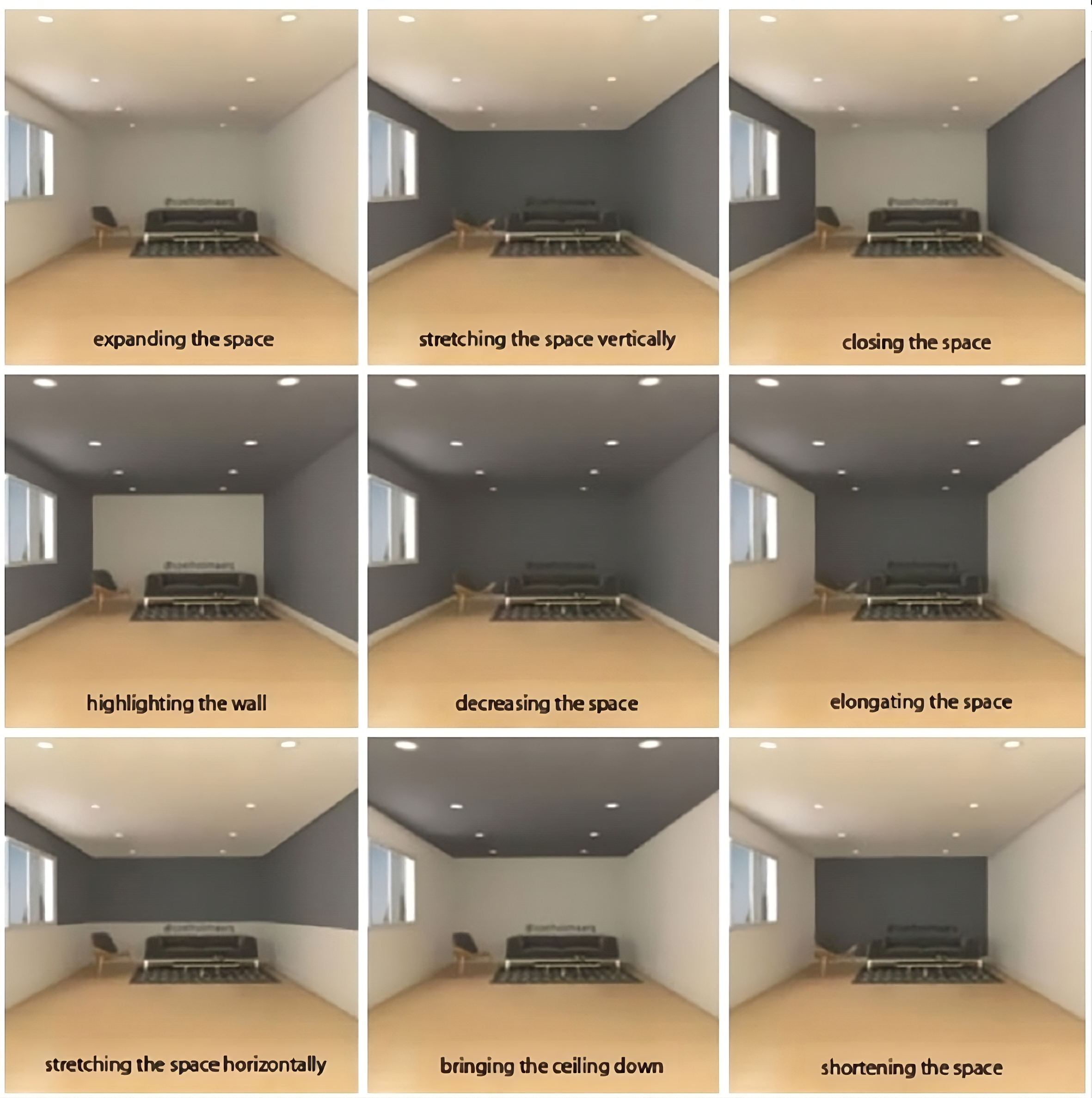
At Aashaar Home Solutions, we assist you in picking the ideal colour. And we think this is a crucial phase in every painting endeavour. The optimal colour should blend in with the room's all aspects style while enhancing the other colours present. Prior to making the ultimate choice, make sure to try out a broad spectrum of colours and consider them in the light.
Wooden surface Service

Staining is an extremely common method for finishing wood that prevents while bringing out the wood's natural colour. The stain penetrates into the wood's pores, bringing out the grain and giving the wood a gorgeous, deep colour. Gel, water, or oil-based stains are all possible.
Varnish is a clear wood protective coating that provides a glossy or satin sheen to wood surface. It exhibits exceptional abrasion resistance, ultraviolet resistance, resistance to moisture, and durability. Oil-based, water-based, or polyurethane-based varnishes are all options.
Lacquer is a transparent, long-lasting varnish that is often applied on a wooden surface. It dries rapidly, leaves a glossy surface, and offers superior resistance against chemicals, heat, and scratches.
Shellac : To make a wood finish, shellac—a naturally occurring substance excreted by paint bugs—is refined and blended with alcohol. It has a glossy sheen, dries rapidly, and provides great protection. Before using varnish or paint, shellac is frequently used as a sealant or primer.
Wax : Wax is a tool to give wood's surface a luxurious, smooth finish that draws attention to the wood's inherent beauty. Although it grants some protection from stains and scratches, other surfaces are more durable. Individual applications of wax or top coats over other varnishes are both viable.When varnishing, colour pigments are used to highlight and protect a wooden surface. Whole coverage and ability to mask wood grain.
Paint : Depending upon the surface you want and application, paints can be latex-, oil-, or water-based.
Polyurethane : A clear, long-lasting surface that provides good defence from abrasion, heat, moisture, and chemicals is polyurethane. It usually comes in water- or oil-based types, and it can be applied as a translucent coat or coloured with pigments to create subtle shade variations.
Epoxy resin is a two-part glue that serves as a paint for wood. It provides a thick, glossy, persisting coating that improves the wood's elegance and offers excellent protection to dampness, stains, and scratches.
Oils : Oil-based paints which dominate the wood, such as tung oil, linseed oil, and Danish oil, nourish and protect it. It guarantees a matte gloss, matte, or semi-matte finished and emphasises the wood's original colour. Oil-based coatings must be sustained and reapplied consistently in order to preserve their protective qualities.
Weathered or worn finishes: These coatings gradually age the wood's surface to give it a weathered or worn appearance. To give something a worn appearance, people utilise methods like sanding, scraping, or the use of specialised grinding equipment. To produce the desired impression, these procedures are frequently used in conjunction with stain or paint
Waterproofing Service
A lot waterproofing methods and materials are used to prevent water damage according to various surfaces.
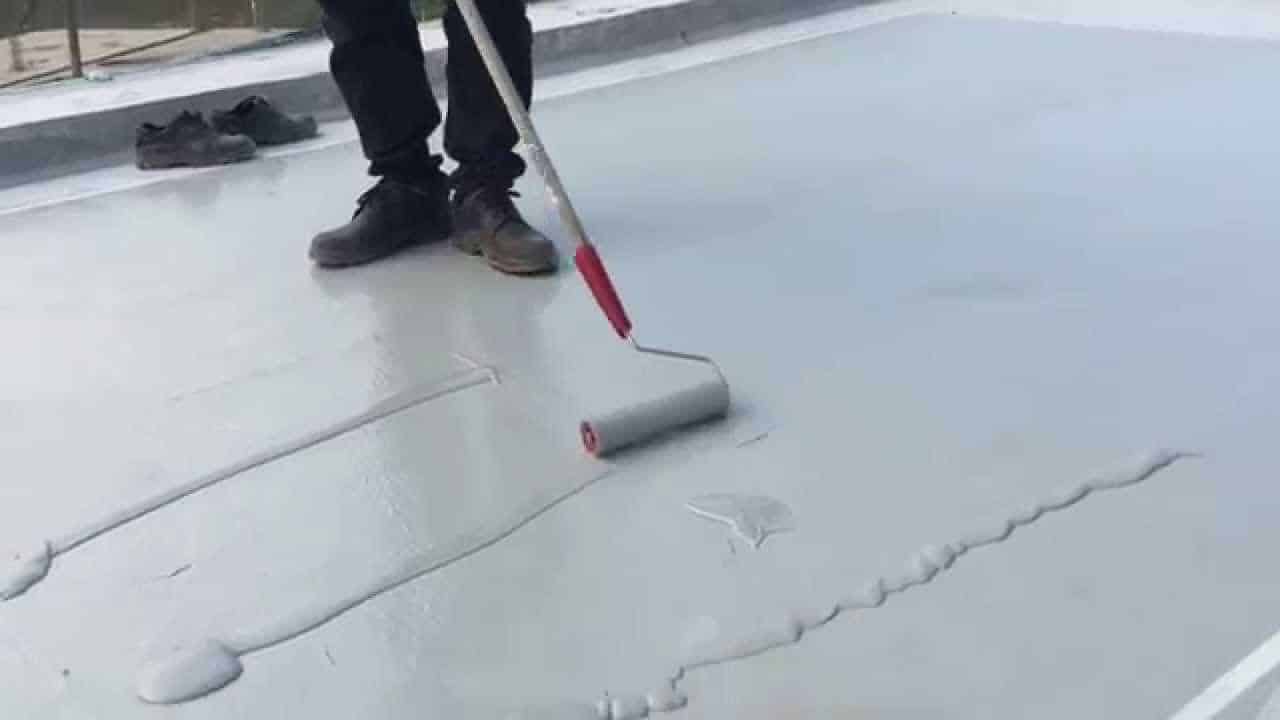
These are signs of predominant waterproofing tasks:
Waterproofing: One waterproofing approach that is applied in liquid form and settles to form a smooth, flexible membrane is called liquid waterproofing membrane. It can be applied to a variety of surfaces, such as concrete buildings, basements, walls, and roofs.
Asphalt coating: A compound made of asphalt that forms a waterproof barrier when applied to a surface. frequently used to waterproof roofs, foundations, and subterranean buildings.
Cement-based: A cement-based paint or slurry to the surface is how cement-based waterproofing is done. It produces a thick, waterproof covering that can be used in a variety of places, such as basements, swimming pools, and aquariums.
Membrane waterproofing: A waterproofing membrane sheet is put to the surface to form a barrier against moisture. This sheet is often constructed of materials like pvc or bitumen. Used often to waterproof basements, balconies, and roofs.
Water-repellent paints: These specifically designed coatings can be applied to surfaces like buildings made of concrete, walls, and roofs to serve as a waterproof barrier. These can often contract and compress due to their elastomeric qualities.
Waterproofing with bentonite: Bentonite is a type of clay that expands when subjected to water, providing a membrane that is water-resistant. It can be applied to the surfaces of foundations, underground buildings, etc. as a sheet membrane or slurry.
For effective and lasting protection against water damage, it is important to choose the appropriate waterproofing method and materials depending on the specific structure and requirements
Wallpaper Service
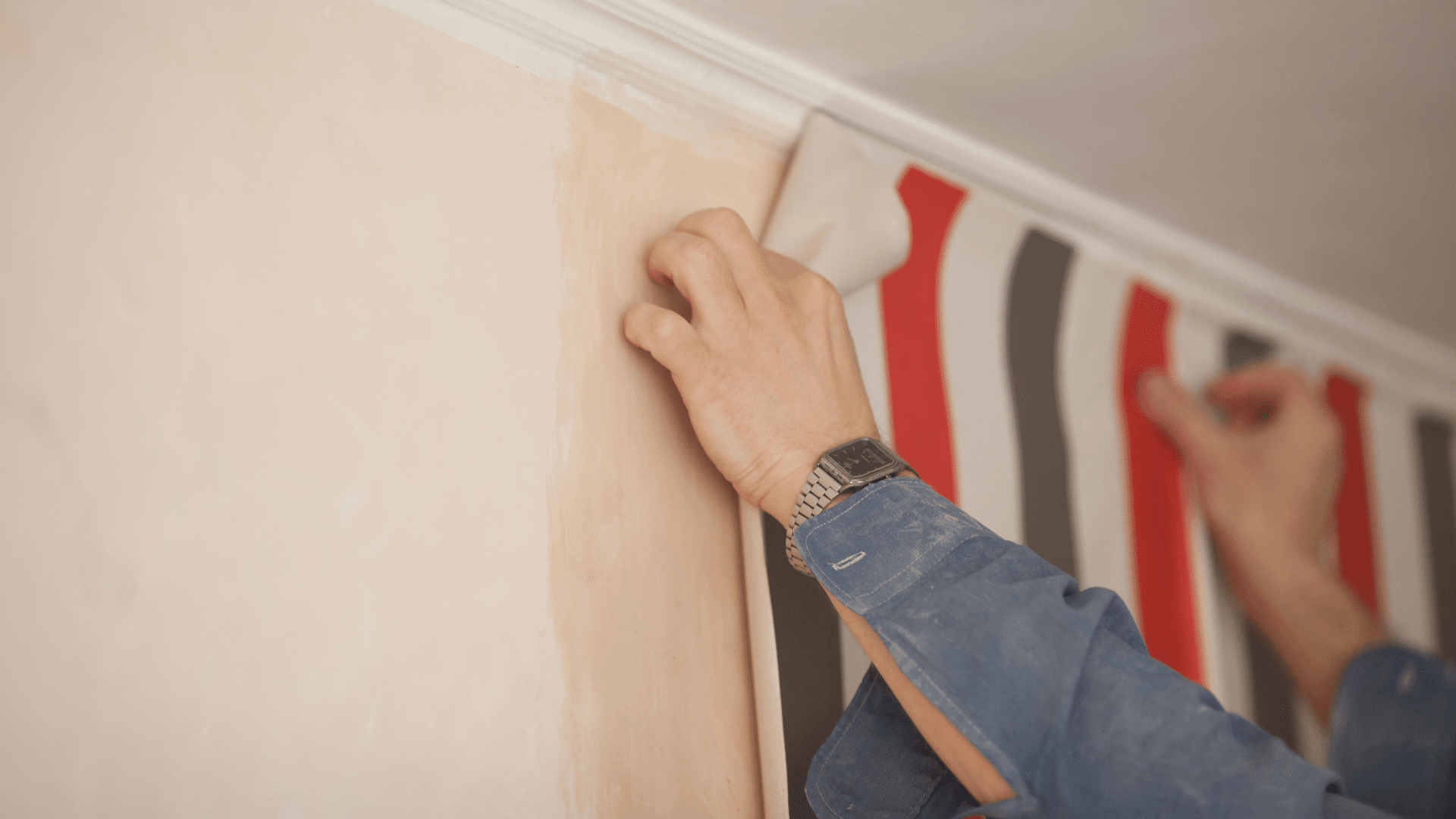
Wallpaper is a versatile and cost-effective way to add style to your home, although it comes in a wide range of motifs and styles to complement your interior decor. (o) It can be applied to walls to change the look of a space, cover flaws, and add colour and texture.
When contemplating wallpaper, take into account its design, composition, and technique of application. Paper is less costly but less dependable than vinyl, which is the most well-known and best suited for high activity areas
Grasscloth wallpaper provides a more rustic look than fabric wallpaper, which is lavish and expensive. Design is equally crucial. Use bold colours and geometric patterns for a trendy design. Use muted colours and floral designs for a traditional aesthetic. With the appropriate tools and support
It is possible to finish the installation process with the correct tools and professional guidance, but it is advised to hire an expert to ensure accurate installation.
For effective and lasting protection against water damage, it is important to choose the appropriate waterproofing method and materials depending on the specific structure and requirements